

Why a Values-Based Budget Beats Just “Being Good with Money”
Most budgets start with numbers; a values-based one starts with your life. Instead of asking “How do I spend less?”, you ask “What do I actually want this money to do for me?” That switch is huge. It turns budgeting from punishment into design: you’re designing a life where your calendar and your bank statement finally agree. Think of it less like a diet and more like curating a playlist: you keep the tracks that fit your vibe, skip what doesn’t, and you’re in charge the whole time.
Step 1. Define Your Real Values (Not the Instagram Ones)

Before думать about how to create a personal budget that aligns with your values, you need to know what those values are in the first place. “Family”, “freedom”, “health” and “growth” sound nice, but they’re vague. Make them concrete: what would a week fully aligned with “freedom” look like in practice? Maybe that’s working four days, traveling, or having zero debt. Describe three ideal days, then highlight recurring themes — those repeated patterns are your actual, lived priorities, not just pretty words.
Quick Exercise to Clarify Priorities
Take your last month of transactions and mark each one with a letter: F for future (savings, investing, education), N for nourishment (food, health, rest), C for connection (friends, family, community), and B for background (bills, must-pay items). Then add a ? for anything that doesn’t clearly fit. Now compare this to those three ideal days you described. If your ideal week is full of connection, but your money mostly goes to background and random question marks, your cash flow is silently voting against the life you say you want.
Step 2. Audit Your Spending Like a Detective, Not a Judge
Most people open their statements and start shaming themselves: “How could I spend that much on delivery?” That kills curiosity, which is exactly what you need. Instead, treat it like an investigation. For each category, ask: “What was I really trying to buy here: time, comfort, status, escape, or joy?” Delivery food might be about exhaustion, not laziness. Subscriptions might be about FOMO, not utility. When you decode the emotional job of each expense, it becomes easier to tweak the method without attacking the underlying need.
Red-Flag Patterns to Watch For
– Spending spikes after bad days at work or fights at home
– Constant “tiny” purchases that add up but don’t register emotionally
– Subscriptions you keep “just in case” but never actually use
– Payments that reflect an old version of you (gym you hate, courses you’ve outgrown)
Step 3. Translate Values into Concrete Spending Rules
Values are only useful if they show up as rules you can act on. For each top value, define one or two specific money rules. Example: if “freedom” is core, you might cap fixed expenses at 50% of income to preserve flexibility. If “learning” matters, maybe you commit 5% to courses or books before you think about upgrades. This is essentially how to build a budget that matches your priorities: you convert ideals into guardrails, so decisions on a random Tuesday are already half-made.
Examples of Values-Based Rules
– Connection: “I’m allowed to say yes to coffee or dinner with close friends even if other categories are tight, but I’ll trade off by cutting solo impulse treats.”
– Health: “I’ll spend on quality groceries and sleep-friendly gear before I buy more clothes or gadgets.”
– Creativity: “At least one recurring bill must directly support making, not just consuming: art supplies, music gear, or workshop fees.”
Step 4. Build a Flexible, Not Fragile, Budget Structure
Traditional budgets are brittle: one surprise expense and the whole thing snaps. Values-based budgets are more like a jelly: they wiggle but don’t break. Start with three main buckets: Essentials (must pay), Values (things that express your priorities), and Noise (everything else). Essentials keep the lights on. Values fuel the life you actually want. Noise is where cuts hurt the least. Instead of micromanaging 20 categories, manage these three and adjust within them, which makes sticking to your plan much less exhausting.
A Simple Three-Bucket Setup for Beginners
– Essentials: rent, utilities, insurance, basic food, minimum debt payments
– Values: savings, investing, travel, hobbies, education, giving, experiences
– Noise: random online shopping, “because it was on sale”, comfort scrolling purchases, upgrades you’d forget next month
As you gain confidence, you can split each bucket into more detailed categories, or even add time-based goals like “six months to build an emergency fund that supports my freedom value.”
Step 5. Use Tech Intentionally, Not Automatically
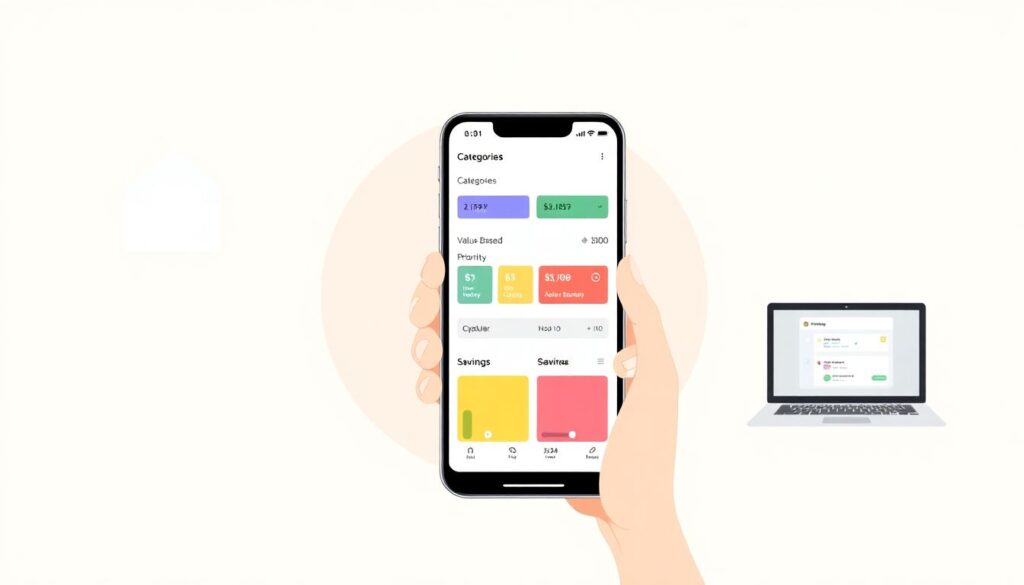
Apps can help, but only if they follow your logic instead of the other way around. The best budgeting app for values based spending is the one that lets you rename categories, create custom goals, and see quickly how much goes to each value bucket. That might be a popular app, an envelope system in a drawer, or even a spreadsheet you actually understand. The key is that your values show up as visible lines, not hidden under vague labels like “Lifestyle” or “Misc”. If a tool can’t show that, it’s not your tool.
Beginner-Friendly Tech Tips
– Turn off most default categories and build your own based on values
– Automate transfers to savings and investment “value buckets” right after payday
– Set alerts for when your Noise bucket hits a self-imposed threshold, not when your account hits zero
– Review your dashboard weekly for ten minutes instead of doing long, stressful monthly marathons
Step 6. Add “Weird” Constraints That Fit Your Psychology
Standard advice assumes you’re a rational robot. You’re not. If you’re an impulse buyer, a normal budget often fails in real time. So design odd but effective constraints: maybe you can buy anything on a list that has existed for seven days, but nothing that isn’t on it. Or you might only allow online shopping on Wednesdays. These constraints sound arbitrary, yet they’re powerful because they work with your habits instead of fighting them. You’re not more disciplined — you’re just less exposed to your weak spots.
Unconventional but Effective Hacks
– Use two checking accounts: one for Essentials, one for Values + Noise, and keep the Noise part visually small
– Convert some goals into “points”: 1 point for cooking at home, 1 point for biking instead of driving, then cash in points for guilt-free splurges
– Have a “24-hour shelf”: big purchases sit in a cart or note for at least a day; if you forget about them, that’s your answer
Step 7. Plan for Joy on Purpose, Not by Accident

Budgets fail when they erase joy. A values-based system does the opposite: it demands intentional pleasure. If “adventure” matters, there should be an adventure line item. If “generosity” is important, there should be a giving line. That way, when you spend there, you feel aligned instead of guilty. This is where a values based budgeting course can help: not because the math is hard, but because people often need permission to prioritize what lights them up instead of what looks respectable from the outside.
Step 8. Avoid the Classic Values-Based Budgeting Traps
Even with a strong plan, a few predictable mistakes can derail you. One: over-optimism. You slash all the Noise at once, then rebound with a blowout weekend. Two: confusion between genuine values and social pressure; if you “value” luxury because everyone around you does, your budget becomes a costume, not a map. Three: ignoring your energy levels. If you’re exhausted, your willpower will vanish, and your most expensive decisions will often happen when you’re tired, hungry, or stressed. Design friction for those exact moments.
Common Pitfalls to Watch Out For
– Copying someone else’s categories and priorities instead of your own
– Treating the first month’s plan as permanent instead of a rough draft
– Forgetting to budget for irregular but inevitable costs (car repairs, gifts, insurance renewals)
– Using debt to “protect” your values spending instead of adjusting the plan when life changes
Step 9. Get Outside Eyes — But Keep the Steering Wheel
Sometimes you’re too close to your own patterns to see them. That’s where a financial coach for values based money management can be useful, not to lecture you about lattes, but to help you link numbers to identity and long-term direction. A good coach or accountability partner will ask irritating but clarifying questions like, “You say you value calm, so why is your schedule and spending creating constant urgency?” Use them as a mirror, not a driver: they reflect, you decide, and your budget evolves with you.
Step 10. Turn the Budget into a Monthly Conversation with Yourself
Your first version will be wrong; that’s normal. Treat every month as fresh data: where did spending feel great and aligned, and where did it feel like a hangover? Adjust rules, limits, and buckets accordingly. Once a month, ask three questions: “What felt most like me?”, “What felt off?”, and “What do I want to try differently next month?” That reflective loop is essentially how to create a personal budget that aligns with your values in real time, not just on a quiet Sunday when you first set it up.
Bringing It All Together
Money is just a translation layer between your time, your attention, and your future. When you design your spending around what truly matters, you’re not just “being responsible”; you’re programming your life. If needed, use tools and advice like a values based budgeting course, but filter everything through your own priorities. The real win isn’t a perfect spreadsheet; it’s opening your banking app, seeing where your cash went, and thinking, “Yes — this actually looks like my life, not someone else’s script.”
Комментарии