
Why your budget suddenly feels too tight
If your paycheck seems to disappear faster than it did a couple of years ago, you’re not imagining things. Prices really did jump — and then kept creeping up. That’s exactly why people are searching for how to inflation proof your budget instead of just “how to save more money”.
Over the last three years, advanced economies have lived through the sharpest price shock in four decades. In the U.S., average consumer inflation was about 8.0% in 2022, fell to roughly 4.1% in 2023, and has been hovering in the 3–3.5% range through late 2024 (Bureau of Labor Statistics data, rounded). The growth rate is down, but prices didn’t go backwards — they stacked. A grocery basket that cost $100 in 2021 easily costs $115–120 now, depending on your country and city.
So if you haven’t deliberately changed how you spend, save, and invest, inflation has already re-written your budget for you. The goal now is to take back control.
—
Step one: Get brutally honest about “needs” vs “wants”
We all *think* we know the difference between rent and takeout, but high inflation exposes the gray zone. Streaming, “small” subscriptions, spontaneous rideshares — they live in the blurry middle and grow quietly.
Look at your last 90 days, not your memory
Instead of guessing how you spend, download 3 months of bank and card statements and mark each line as:
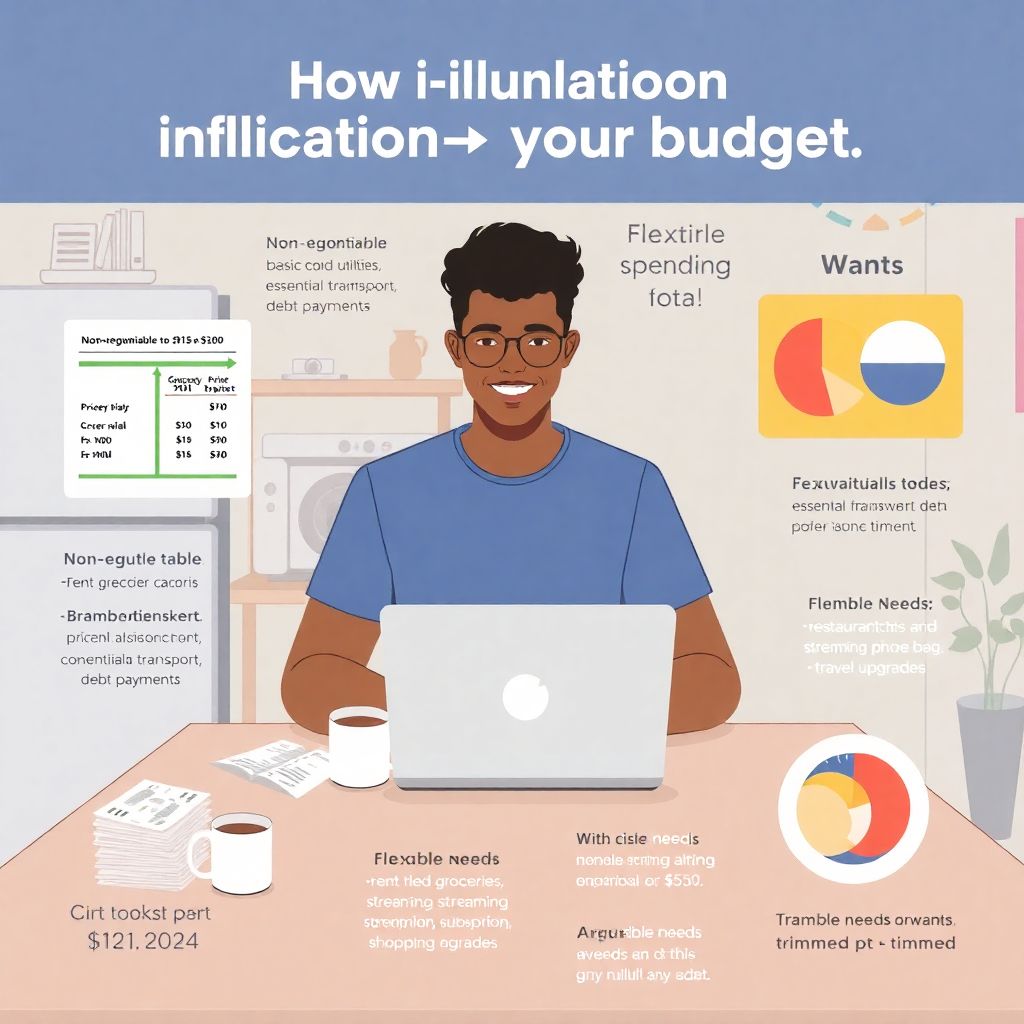
1. Non‑negotiable need (rent, basic food, utilities, essential transport, debt minimums).
2. Flexible need (better food brands, extra data on your phone plan, “convenience” transport instead of public).
3. Want (restaurants, subscriptions, travel upgrades, impulse shopping, brand premiums).
You’ll likely find that flexible needs are where inflation has bitten hardest: branded groceries, prepared foods, delivery fees, and convenience purchases. That’s where you can create room without trashing your quality of life.
—
How to adjust spending needs and wants during inflation
During calm times, the classic advice is: cut some wants, keep needs stable. In a high‑inflation environment, the smarter move is to re‑engineer your needs first, *then* trim wants. Example:
– Instead of just “eating out less”, you:
– Keep the same number of social meals,
– But switch from random restaurants to planned, cheaper spots,
– And drop 1–2 grocery brand premiums so your home cooking budget shrinks.
A few concrete moves that work well when prices are jumpy:
– Redefine “acceptable”: downgrade certain brands on auto‑pilot (toilet paper, cleaning supplies, snacks) and lock in the cheaper habit.
– Target subscriptions: if you use a service less than weekly, cancel or share. Subscriptions are classic “wants” disguised as “needs”.
– Cap dynamic costs: set a monthly ceiling for rideshares, delivery apps, and impulse digital buys. When it’s gone, you switch to lower‑cost alternatives.
This isn’t about austerity; it’s about being intentional. High inflation punishes people who run life on autopilot.
—
What the numbers say: inflation, wages, and your real income
Over 2022–2024, the economic picture was messy but clear on one thing: prices outran paychecks for a while.
– In the U.S., average hourly earnings rose about 5% in 2022, 4.3% in 2023, and around 3.8–4% annualized through late 2024.
– With inflation at ~8% in 2022 and ~4% in 2023, that meant real wages (after inflation) were flat to negative for many households.
– The Euro Area saw a similar pattern: inflation peaking near 8–9% in 2022, cooling to around 5.4% in 2023 and roughly 2.5–3% pace into late 2024, while wages lagged and then slowly played catch‑up.
Translation: even if your salary “went up”, your *purchasing power* may still be below 2021 levels, especially when you factor in rent and food. If your budget feels tight, it’s not a moral failure — it’s basic arithmetic.
—
Short‑term forecast: not a crisis, but no easy relief
Major forecasters (IMF, OECD, central banks) expect:
– Inflation to stay above pre‑COVID levels in many countries through at least 2026, even if headline rates drift toward 2–3%.
– Interest rates to remain higher than the 2010s norm, which affects mortgage costs, credit card APRs, and business investment.
– Housing and services (healthcare, education, childcare) to keep rising faster than general inflation due to structural shortages.
So “waiting for things to go back to normal” is risky planning. You’re better off assuming this is the new baseline and designing a budget that works in a world where 0–1% inflation is not coming back soon.
—
Budgeting tips for high inflation that actually change outcomes
Most budgeting advice dies in the same place: we write a spreadsheet, then ignore it. In an inflation spike, you need habits that *automatically* shift money where it needs to go as prices move.
Here’s a simple, practical framework:
1. Index your budget to reality, not old prices
If you built your budget in 2021 and just “rolled it forward”, it’s outdated. Re‑price your life:
1. Re‑estimate actual monthly costs for:
– Food and household supplies
– Transport (fuel, passes, rideshares)
– Housing (rent, utilities, insurance)
2. Increase those budget lines to match reality.
3. Force all cuts to come from:
– Wants
– Flexible needs
– Low‑value recurring payments
This protects you from dipping into savings or adding debt each month just to maintain basic living standards.
—
2. Add an “inflation buffer” line to your budget
Instead of pretending prices will stop moving, dedicate 2–5% of your take‑home pay as an inflation buffer. It sits in cash or a high‑yield savings account and gets used only when:
– Utilities spike during heat waves or cold snaps.
– Annual subscriptions renew at a higher price.
– Rent or insurance jump more than expected.
If you don’t need it? Great — it becomes extra savings or investment at year‑end. This one move makes your budget far more resilient during uncertain times.
—
3. Tackle expensive debt faster when inflation is high
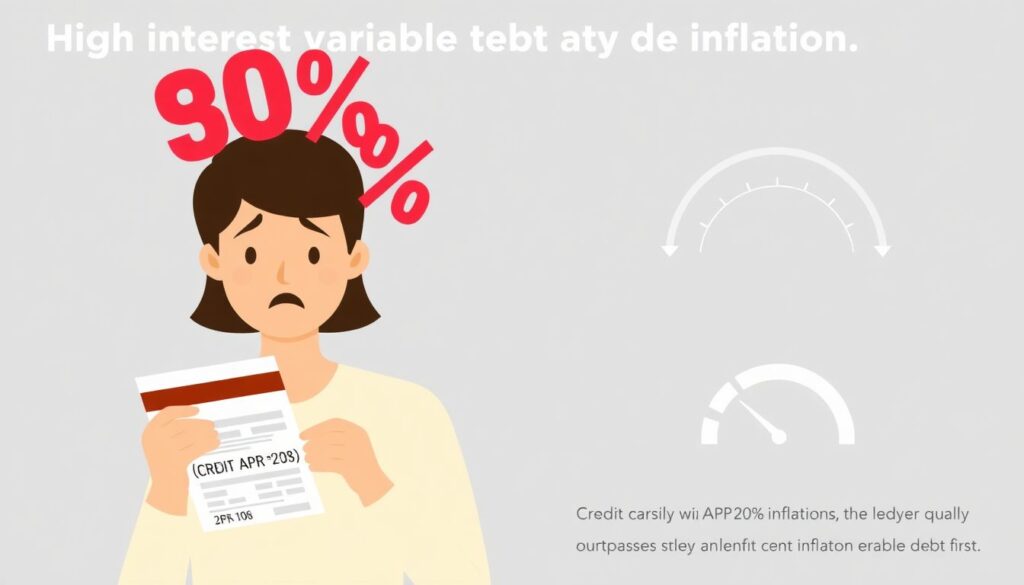
Inflation can *theoretically* erode the real value of your debt — but with modern variable interest rates, lenders usually win that race. Credit card APRs above 20% easily outpace any inflation reduction benefit you might get.
Prioritize:
1. Clearing high‑interest variable debt (credit cards, overdrafts, buy‑now‑pay‑later).
2. Refinancing if you can lock in a fixed rate that looks reasonable in today’s environment.
3. Avoiding new debt for wants — future you will be paying a high real cost.
Think of this as buying back future flexibility. A household with modest debts absorbs inflation far better than one where half the paycheck is spoken for before the month begins.
—
From saver to investor: why cash alone won’t save you
Holding cash feels safe. During volatile times, it’s emotionally comforting. But with inflation at, say, 3–4%, a savings account yielding 1–2% is quietly shrinking your wealth every year.
That’s why people keep asking about the best investments to protect against inflation — they’re looking for ways to stop that silent erosion without turning into full‑time traders.
What “inflation‑resistant” really means
No asset is perfectly inflation‑proof. What you want are things whose income or value tends to rise as prices rise:
– Productive assets: shares of companies that can pass higher costs to customers.
– Real assets: property, infrastructure, certain commodities.
– Inflation‑linked instruments: government bonds indexed to inflation (like TIPS in the U.S.).
The key twist in an inflationary cycle: just “being invested” isn’t enough — *what* you own matters far more.
—
Inflation resistant investment strategies for uncertain times
You don’t need a complex portfolio to get meaningful protection. You need a disciplined mix:
– Broad stock index funds/ETFs
Over decades, company earnings and stock prices tend to grow faster than inflation, though the path is bumpy. Global or domestic broad index funds keep costs low and reduce single‑company risk.
– Inflation‑protected bonds (where available)
These adjust principal or coupon payments with inflation indexes. They rarely make you rich, but they help preserve the *real* value of a chunk of your savings.
– Selective real estate exposure
Either via owning a home you can afford or real estate investment trusts (REITs). Rents and property values often rise with prices, though they’re heavily influenced by interest rates and local markets.
– Short‑duration bonds or cash‑like vehicles
In a high‑rate environment, short‑term bonds and money market funds can offer decent yields without locking you in for a decade at today’s rates.
Your exact mix depends on age, risk tolerance, and geography. The main lesson: staying 100% in low‑yield cash for many years in an inflationary period is a guaranteed way to lose purchasing power.
—
The industry side: who wins and who struggles when prices rise
Inflation isn’t just a personal headache; it reshapes entire industries. Some sectors handle it well. Others feel every uptick in raw material costs.
Business margins under pressure
Companies face a similar problem to households:
– Their inputs (wages, materials, energy, logistics) become more expensive.
– Passing these costs on to customers is limited by demand: push too far, and sales fall.
Over 2022–2024, many firms responded by:
– Shrinking product sizes instead of raising sticker prices (“shrinkflation”).
– Introducing “value” tiers to keep price‑sensitive customers.
– Speeding up automation to control wage bills.
Industries with strong brands or essential products — consumer staples, utilities, some tech platforms — generally passed costs through more easily. Low‑margin, highly competitive sectors (small retailers, some travel and hospitality operators) struggled or consolidated.
—
Shifts in consumer behavior
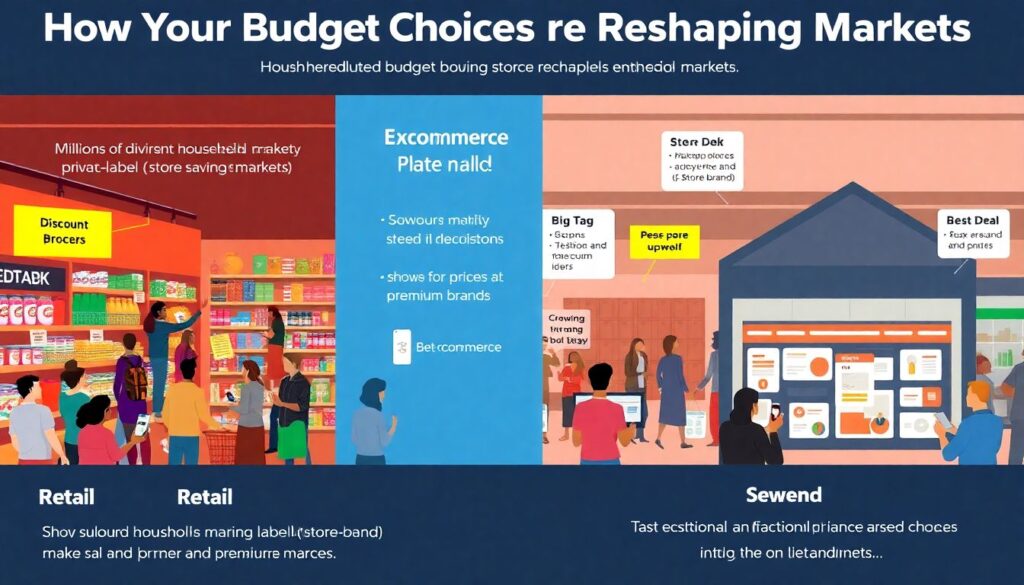
The budget choices you’re making? Millions of other households are too, and that’s reshaping entire markets:
– Retail: discount and private‑label brands gained share as shoppers traded down. E‑commerce platforms that highlight prices and deals grew faster than full‑price traditional retail.
– Food: restaurants saw customers trading from full‑service to fast‑casual or choosing cheaper menus, while grocery chains pushed store brands and promotions.
– Finance: demand surged for budgeting apps, robo‑advisors, high‑yield online savings, and simple index investing tools as people tried to respond to price shocks.
For investors, this means looking not only at sectors, but at within‑sector positioning: businesses that help customers save money or manage volatility tend to get tailwinds in inflationary times.
—
Looking ahead: realistic expectations, not wishful thinking
Most mainstream forecasts into the late 2020s point toward:
– Moderate but persistent inflation in many countries — think 2–3.5% on average, instead of the near‑zero environment of the 2010s.
– Higher average interest rates than the previous decade, even after cuts, because central banks want a buffer against future shocks.
– Periodic spikes driven by energy, geopolitics, or supply chain chokepoints.
That world rewards people who adapt early: those who adjust spending habits, move from cash to sensible diversified investing, and avoid over‑leveraging themselves with debt tied to variable interest rates.
—
Putting it all together: a simple plan you can start this month
Let’s connect the dots. If you’re still wondering how to inflation proof your budget in *practical* terms, here’s a streamlined checklist you can actually run:
1. Rebuild your budget using today’s prices, not old estimates. Classify each item as non‑negotiable need, flexible need, or want.
2. Cut or downgrade flexible needs and wants first, starting with subscriptions, brand premiums, and convenience spending.
3. Add a 2–5% inflation buffer line so you’re not surprised by rising bills. Treat unused buffer money as extra savings.
4. Attack high‑interest debt aggressively, especially variable‑rate credit cards and consumer loans.
5. Automate investing into a mix of broad index funds, inflation‑linked bonds (if available), and other assets that historically beat inflation over time.
6. Review once a quarter: update recurring bills, re‑check your needs vs wants, and adjust investment contributions as your income and expenses change.
None of this requires perfection. It just requires that you stop letting inflation quietly rewrite your financial life without your input. Small, consistent adjustments — to your spending, your expectations, and your investments — are what turn a fragile budget into one that can handle uncertain times without constant stress.